The Disturbing Test for Health Department Candidates
December 8, 2024 - 00:39
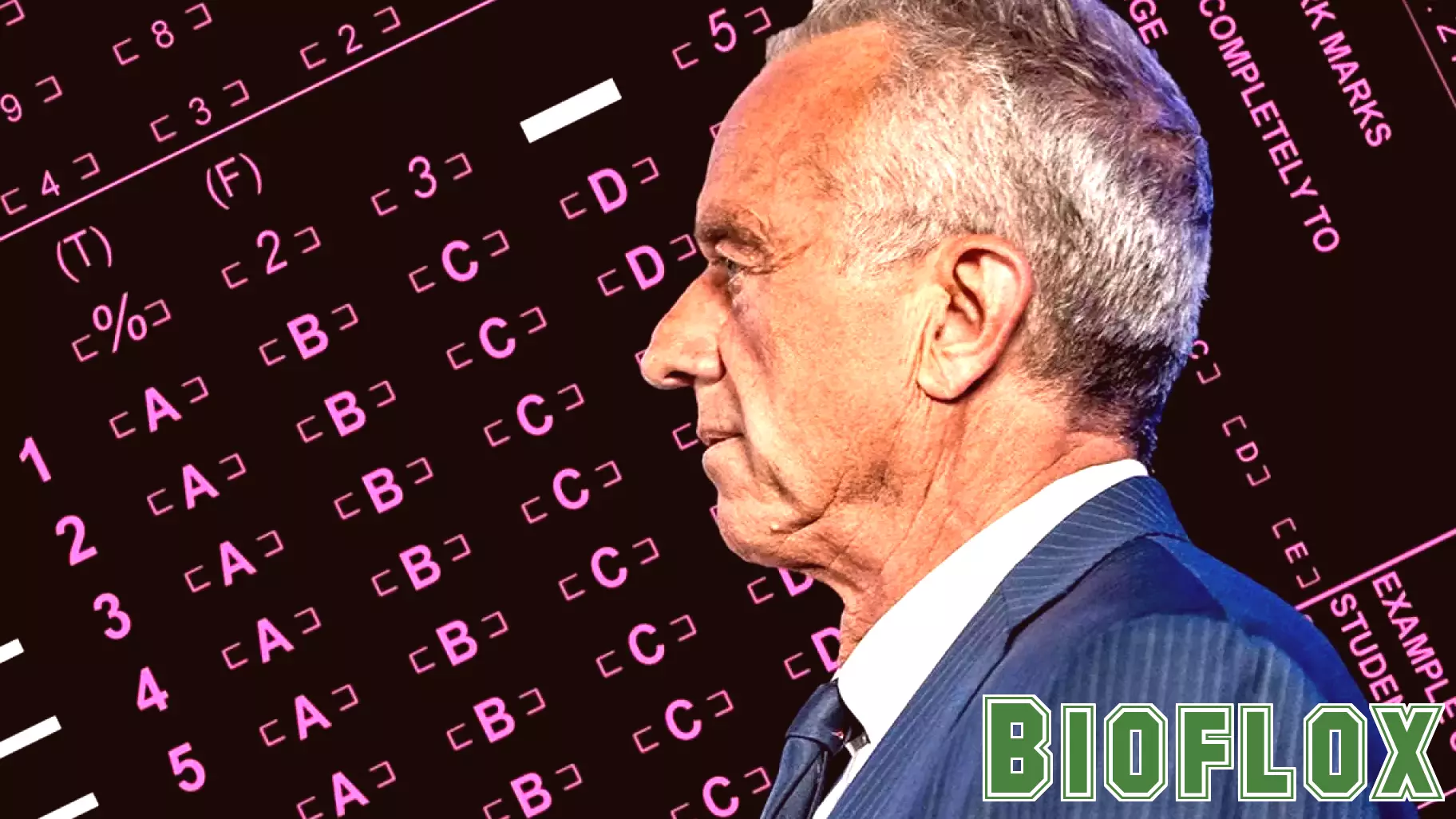
In a recent exploration of the testing methods being utilized by Robert F. Kennedy Jr. for selecting personnel for his proposed health department, a troubling picture emerged. The assessment in question is designed to evaluate candidates' beliefs and ideologies regarding health and wellness, but it raises significant concerns about its implications for public health policy.
Participants reported feeling as though their critical thinking abilities were compromised, likening the experience to having their brains consumed by a metaphorical worm. This unsettling analogy highlights the potential dangers of prioritizing ideology over evidence-based science in health-related decision-making.
The test appears to prioritize conformity to specific beliefs rather than a diverse range of perspectives, which is essential in addressing complex public health issues. Critics argue that such an approach could lead to a narrow-minded view of health policy, undermining the integrity of public health initiatives. As the health landscape continues to evolve, the need for inclusive and scientifically grounded approaches has never been more crucial.
MORE NEWS

October 27, 2026 - 03:15
Health Inspectors Shut Down Dozens of Los Angeles County EateriesDozens of restaurants and markets across Los Angeles County were forced to temporarily close their doors this month after inspectors discovered health code violations. The violations ranged from...

October 26, 2026 - 05:12
Merit Health River Region Hosts Annual Trunk or Treat EventMerit Health River Region has announced its annual Trunk or Treat celebration, set to take place on Thursday, October 29. The community event invites families and children to dress up in their...
October 25, 2026 - 04:50
Shelby Residents to Decide on Tax Renewals for Health and Parks DepartmentsShelby voters will see two tax renewal measures on the Nov. 3 ballot, both of which city officials say are necessary to keep essential services running. The first renewal supports the health...

October 24, 2026 - 02:57
10/23/26 – HAWAIʻI CLIMATE COMMISSION LAUNCHING WORKSHOPS TO BOOST SOIL HEALTH AND AGRICULTURAL RESILIENCEHonolulu - The state Climate Change Mitigation and Adaptation Commission, part of the Department of Land and Natural Resources, is preparing a series of workshops focused on soil health and...