The Unmatched Value of Investing in the World Health Organization
May 7, 2025 - 00:30
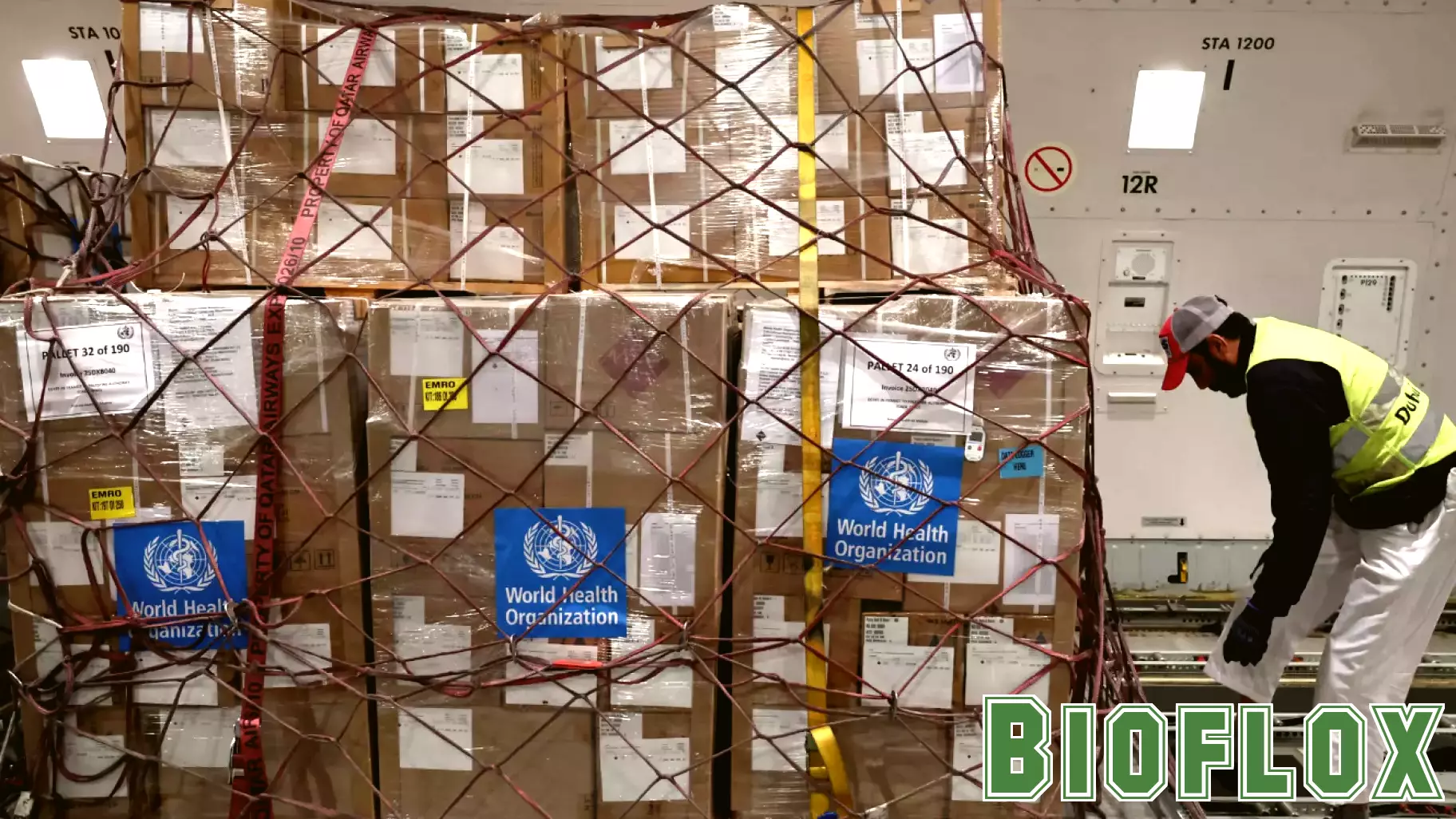
The financial contributions made by the United States to the World Health Organization (WHO) represent a significant return on investment in global health. Despite the relatively small amounts allocated, the impact of these funds is monumental. The WHO plays a crucial role in coordinating international responses to health crises, providing essential resources, and implementing programs that save lives across the globe.
In an era marked by emerging infectious diseases and global health challenges, the need for a strong and effective WHO has never been clearer. The organization acts as a central hub for research, data sharing, and health guidelines, ensuring that countries can respond swiftly and effectively to health emergencies. The support from the U.S. not only enhances the WHO's capabilities but also strengthens global health security, benefiting all nations.
Investing in the WHO is not just a matter of funding; it is an investment in a healthier, more resilient world. As health threats continue to evolve, the importance of this partnership remains paramount.
MORE NEWS

October 26, 2026 - 05:12
Merit Health River Region Hosts Annual Trunk or Treat EventMerit Health River Region has announced its annual Trunk or Treat celebration, set to take place on Thursday, October 29. The community event invites families and children to dress up in their...

October 25, 2026 - 04:50
Shelby Residents to Decide on Tax Renewals for Health and Parks DepartmentsShelby voters will see two tax renewal measures on the Nov. 3 ballot, both of which city officials say are necessary to keep essential services running. The first renewal supports the health...

October 24, 2026 - 02:57
10/23/26 – HAWAIʻI CLIMATE COMMISSION LAUNCHING WORKSHOPS TO BOOST SOIL HEALTH AND AGRICULTURAL RESILIENCEHonolulu - The state Climate Change Mitigation and Adaptation Commission, part of the Department of Land and Natural Resources, is preparing a series of workshops focused on soil health and...
October 23, 2026 - 03:14
Redesign Health and ARC Global Join Forces in $2 Billion Deal to Speed Up Health System InnovationRedesign Health is making a major push deeper into health system-led innovation, merging with Sheba Medical Center`s innovation arm ARC Global in a deal valued at $2 billion. The combined...