How to Use Portion Control for Long-Term Weight Management
19 August 2026
Let’s be honest—weight management isn’t some magical thing that happens overnight. Most of us aren’t looking to live off lettuce and lemon water. We want real, sustainable change that doesn’t feel like punishment. That’s where portion control comes in. When done right, it’s like having your cake and actually eating it too (just maybe not the whole cake).
In this article, we’re diving deep into how portion control can help you manage your weight for the long haul. No drastic diets, no starving yourself—just mindful eating that fits into your everyday life.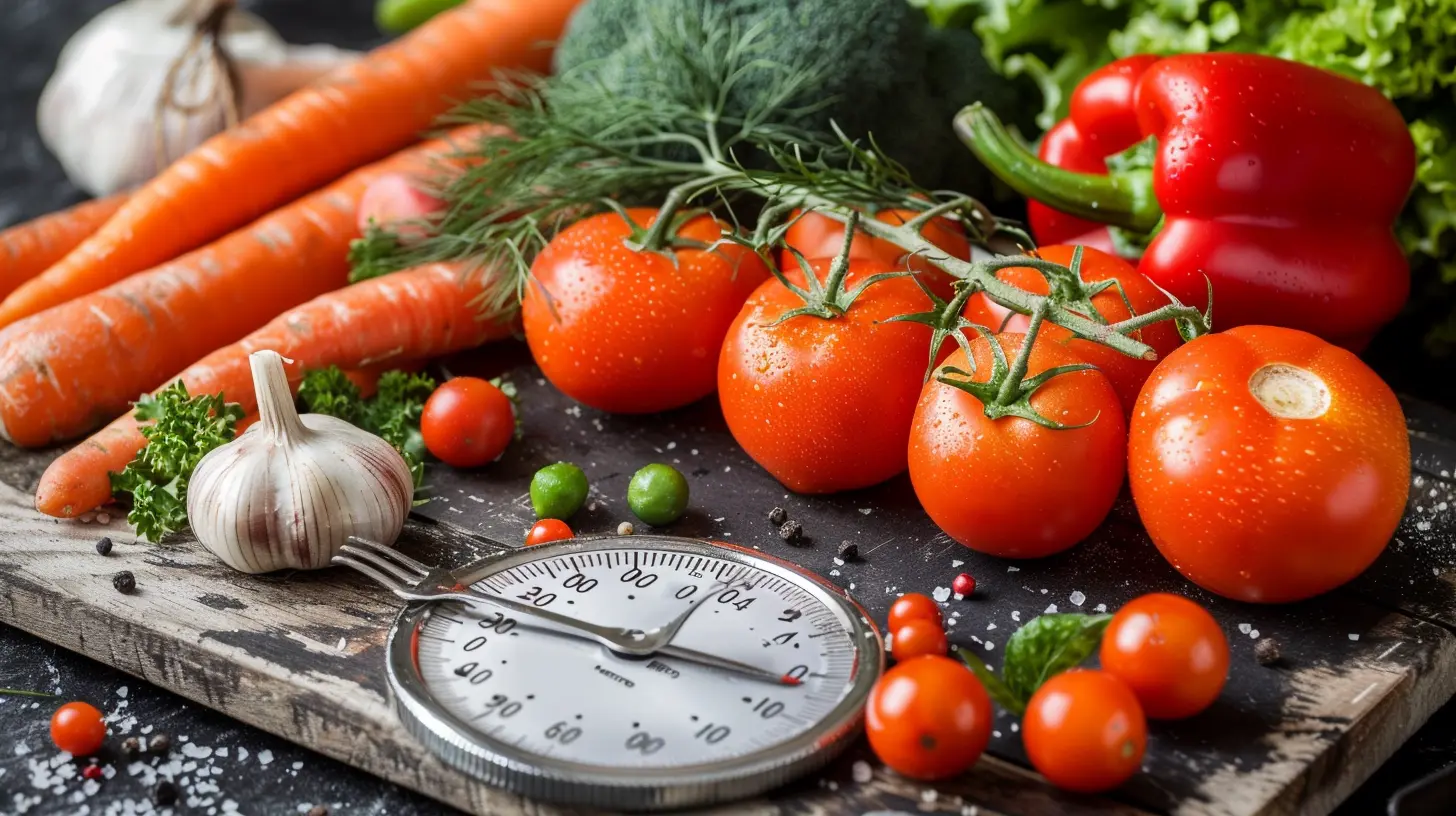
What Is Portion Control, Really?
Let’s not overcomplicate things. Portion control is simply being aware of how much you’re eating and making sure it aligns with your body’s needs. Think of it as your internal food GPS—helping you stay on the right track while still enjoying the journey.Instead of cutting out entire food groups or sticking to fad diets, portion control lets you enjoy all the foods you love—just in the right amounts.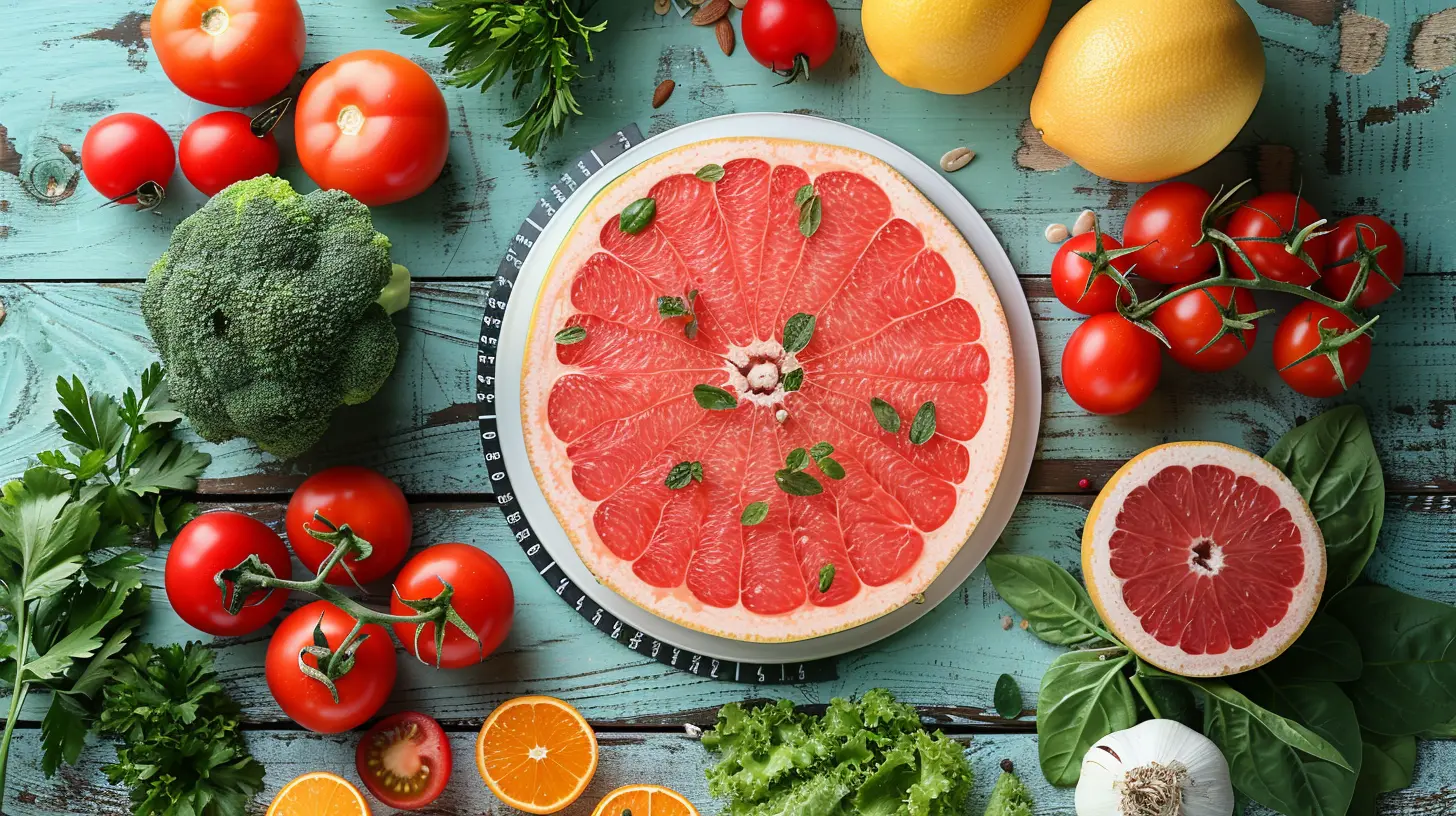
Why Portion Control Is a Game-Changer
So, why should you care about portion control? Here’s the deal:- It Keeps You in Control – No more mindless munching straight from the bag.
- It Prevents Overeating – Even healthy foods can add up if you eat too much.
- It Helps You Eat More Mindfully – You actually taste and enjoy your food.
- It’s Sustainable – Unlike crash diets, portion control can be a lifelong habit.
That last point is golden. Sustainability is the name of the game when it comes to long-term weight management.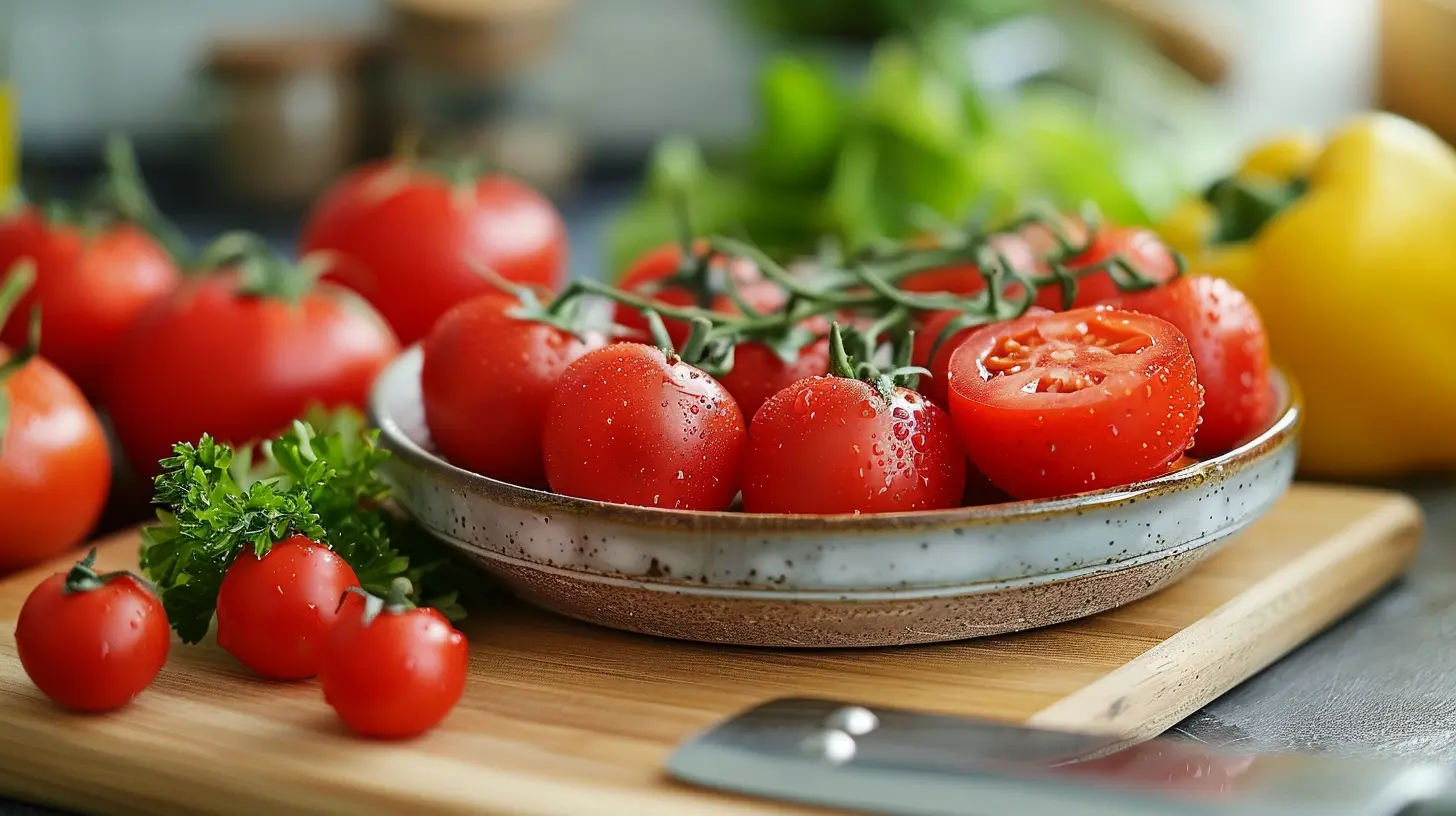
The Difference Between Portion Size and Serving Size
Okay, let’s not confuse the two.- Serving size is a recommendation (usually listed on food labels).
- Portion size is what you actually put on your plate.
Sometimes the portion you eat matches the serving size… but let’s be real, it often doesn’t. Ever pour a “serving” of cereal and end up with half the box? You’re not alone.
Understanding the difference helps you be more intentional with your food choices.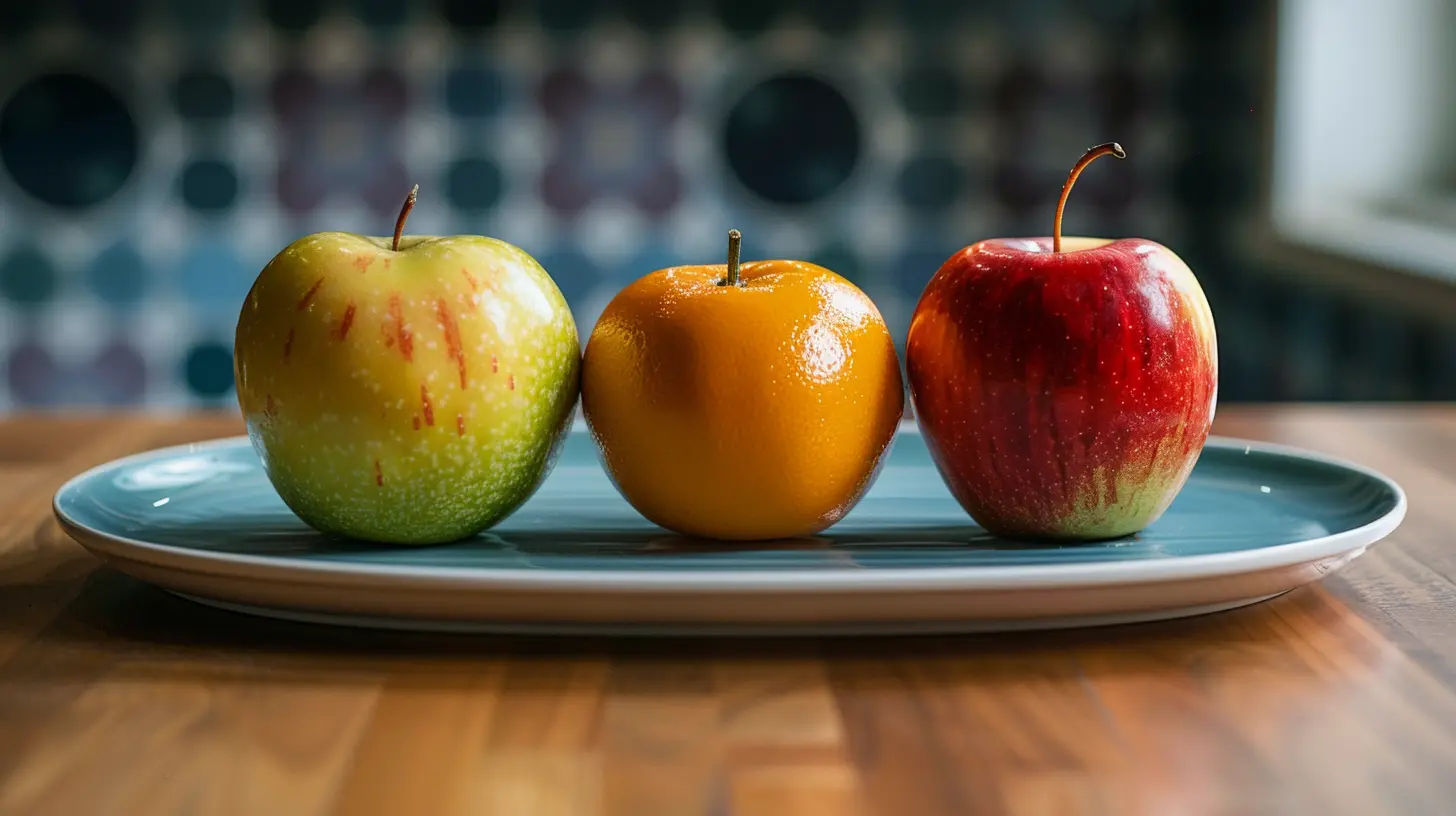
How to Start Practicing Portion Control
Starting out can feel overwhelming, but it doesn’t have to be. Think of it as learning to ride a bike—you might wobble at first, but once you get going, you’ll wonder how you ever did without it.Here are some easy, practical ways to get started:
1. Use Smaller Plates and Bowls
This trick sounds silly, but it works like magic. Smaller dishes make it seem like you’re eating more, which satisfies your mind. It's like tricking your brain in the best way possible.2. Portion Out Your Snacks
No more mindlessly eating out of a chip bag while watching Netflix. Instead, take a handful, put it in a bowl, and stash the bag away. Out of sight, out of mind, right?3. Read Food Labels
Yeah, I know reading labels isn’t exactly thrilling. But understanding what a serving size looks like—and how many servings are actually in that “single-serve” package—can be eye-opening.4. Practice the Plate Method
Visual learners, this one’s for you. Picture your plate:- Half should be veggies or salad
- A quarter should be lean protein (like chicken or tofu)
- A quarter should be whole grains (like brown rice or quinoa)
Simple, right? It’s a balanced meal at a glance.
5. Avoid Eating Straight from the Container
Eating from the container is a recipe for overeating. Whether it's ice cream, pasta, or trail mix—always transfer it to a plate or bowl. You'll be surprised how much less you end up eating.Portion Control at Restaurants? Yes, It's Possible
Eating out is fun—we all deserve that. But restaurant portions can be monster-sized. What do you do?Here are a few sneaky (but effective) tactics:
- Split the meal: Share with a friend or ask for a to-go box up front and pack half before you start eating.
- Appetizer as a meal: Sometimes the starter is just the right portion size.
- Avoid ‘value-sized’ upgrades: They give you more food, not more value (unless you count extra calories).
Tips to Make Portion Control Feel Natural
This isn’t about rigid rules. It’s about creating habits that stick—ones that feel like second nature over time.1. Slow Down and Savor
Eat slower. Seriously. It takes about 20 minutes for your brain to catch up with your stomach. Chew, chat, breathe—it’s not a race.2. Don’t Skip Meals
Skipping meals often leads to overeating later. Keep your hunger in check with regular meals and healthy snacks when needed.3. Listen to Your Fullness Cues
You know that moment when you feel comfortably full? That’s your body waving a flag saying, “Hey, I’m good now.” Honor that signal. Eating past that point just leads to feeling bloated and blah.4. Keep Tempting Foods Out of Sight
We’re all human. If the cookie jar is waving at you every time you walk by the kitchen, chances are you’ll eventually give in. Keep treats in less accessible spots so your better choices are front and center.But What If You Overeat?
Hey, it happens. Don’t beat yourself up. One big meal doesn’t undo everything. Think of it like getting a flat tire—you wouldn’t slash the other three, right? Just fix it and get back on your road.Use it as a learning moment. What triggered it? Were you extra hungry, stressed, bored? The more you understand your eating habits, the easier it becomes to manage them.
The Emotional Side of Portion Control
Let’s not ignore the emotional connection we have with food. It’s comfort, celebration, tradition. That’s okay—emotions and food are intertwined. The key is being aware of emotional eating and finding other outlets when food isn’t the solution.Try journaling, talking to a friend, or taking a walk. You’ll be amazed at how often you’re not actually hungry—you’re just seeking something else.
Using Tech to Your Advantage
There are tons of apps that can help with portion awareness—from meal tracking apps to visual portion guides. You don’t need to get tech-crazy, but a little help goes a long way when you’re learning new habits.Consistency Over Perfection
If you take away one message from this article, let it be this: Consistency beats perfection—every time. You won’t eat perfect portions every single day. Honestly? No one does. And that’s okay.The goal is progress, not perfection. The little efforts add up. Over time, you’ll notice your relationship with food getting healthier, your clothes fitting better, and your energy lasting longer.
Portion Control Is a Lifestyle, Not a Punishment
Let’s be real—no one wants to feel deprived. Portion control isn’t about cutting out the things you love. It’s about enjoying them in a way that aligns with your goals. It’s balance. It’s freedom. And it’s doable.So go ahead and enjoy that slice of pizza or that piece of chocolate. Just keep an eye on the portions, and you’ll be golden.
Final Thoughts
Portion control is one of those rare tools that’s both simple and powerful. It doesn’t require fancy ingredients or expensive subscriptions. Just awareness, intention, and a sprinkle of patience.If you’re ready to ditch the all-or-nothing mindset and step into a more balanced, sustainable lifestyle, portion control is your secret weapon. Start small, stick with it, and the results will follow—not just on the scale, but in how you feel.
You’ve got this.
all images in this post were generated using AI tools
Category:
Weight MaintenanceAuthor:

Angelo McGillivray
Discussion
rate this article
1 comments
Phaedra McKnight
Portion control can be a practical tool for sustainable weight management, promoting healthier choices without feeling deprived.
August 21, 2026 at 2:50 AM