How to Use Self-Monitoring for Successful Weight Maintenance
6 March 2026
Let’s be honest—losing weight is only half the battle. The real challenge? Keeping it off. Ever heard someone say, “I lost 30 pounds... but then I gained it all back”? Yep, that rebound is all-too-common. The good news is, there’s a powerful, science-backed strategy that can help you stay on track. It’s called self-monitoring.
Before your eyes glaze over at the sound of something that sounds like military surveillance, stay with me. Self-monitoring is basically watching your habits in a way that keeps you honest with yourself. No judgment, no shame—just clarity. Let me show you how it can become your secret weapon for long-term weight maintenance.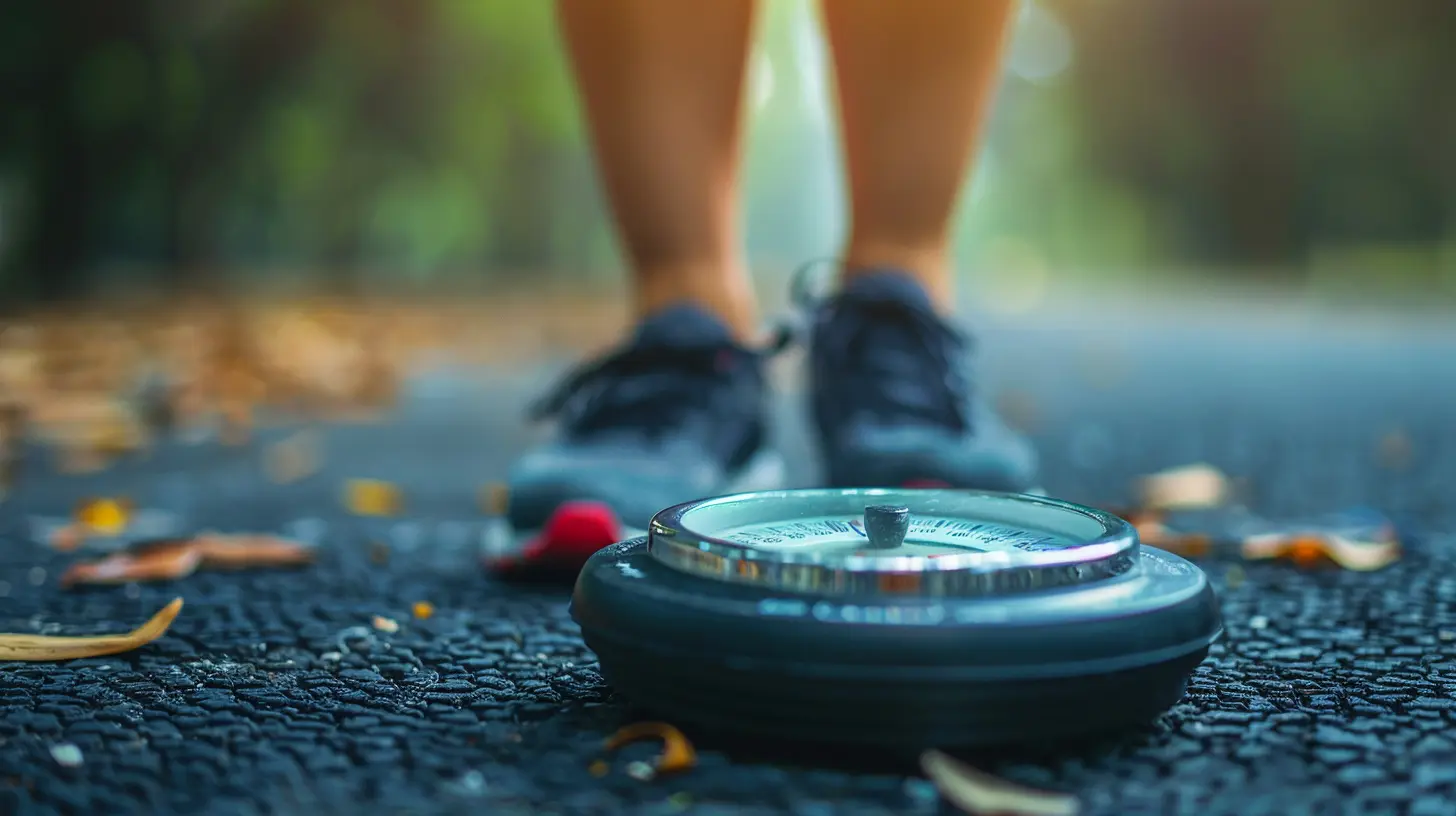
What is Self-Monitoring Anyway?
Okay, so let’s break it down. Self-monitoring is exactly what it sounds like—keeping track of your behaviors and your outcomes. That means things like logging what you eat, how much you move, your weight changes, how you feel emotionally, and more.You’re probably thinking, “Wait, does that mean I have to jot down every bite of food?” Well... kind of, but hear me out. It’s not about becoming obsessive. It’s about becoming aware. Because awareness leads to action.
Think of it like having a flashlight in a dark room. Once you can see what’s really going on, you can stop bumping into stuff and find your way more easily.
Why Self-Monitoring Works
There’s a reason psychologists, dietitians, and personal trainers always talk about self-monitoring—it works. And it’s not just anecdotal; studies repeatedly show that people who self-monitor are way more successful at keeping weight off long-term.Here’s why it’s so effective:
- It boosts self-awareness. When you track what you’re eating or how you’re feeling, you understand your habits better.
- It shows patterns. You can pinpoint what derails you—stress eating, weekend overindulgence, late-night snacks.
- It keeps you accountable. You’re not relying on willpower alone. You have real feedback in front of you.
- It empowers you. You realize you’re in control of your choices. That realization? Super motivating.
Types of Self-Monitoring Tools You Can Use
Let’s talk tools. You don’t need fancy gadgets or expensive subscriptions (unless you want 'em). Here’s a breakdown of some tools you can use for self-monitoring:1. Food Journaling
This old-school method still rocks. Write down what you eat and drink every day. Be honest, and aim for consistency. You can use:- A simple notebook
- A notes app on your phone
- Food tracking apps like MyFitnessPal, Lose It!, or Cronometer
Pro Tip: Don’t skip recording because you feel guilty about having that cupcake. That’s the exact time to lean in and see what triggered the craving. Was it stress? Boredom? Social pressure?
2. Weight Tracking
Weighing yourself regularly can feel intimidating, but it doesn’t need to define your worth—it’s just data. And more importantly, it helps you spot trends before things get out of hand.Try:
- Daily weighing (if it doesn’t mess with your mental health)
- Weekly weighing (more emotionally neutral for many people)
- Smart scales that sync with apps
Just remember, your weight can fluctuate daily due to water retention, hormones, or even salt intake. Don’t panic over small changes.
3. Activity Monitoring
Track how much you move! This includes workouts, steps, time spent standing, and even household chores.Use:
- Fitness trackers (Fitbit, Apple Watch, Garmin)
- Step counter apps
- A simple tally or journal entry (“Walked 25 minutes today!”)
Seeing those numbers rise can be super satisfying (especially on days when you really don’t want to get off the couch).
4. Mood and Behavior Tracking
Let’s not forget the powerful connection between mental health and physical health. Logging how you feel—emotionally and physically—can offer insights into why you’re eating or skipping workouts.Write down things like:
- Your mood before/after meals
- Energy levels
- Stress levels
- Sleep quality
You’ll start to see links between your habits and your emotional state—and that’s pure gold.
How to Set Yourself Up for Success
Okay, now that you know what to track and how, here’s how to actually make it work in real life.Start Small
You don’t need to track every single detail from day one. Begin with just one area, like meals or steps. As it becomes second nature, layer in more.Be Consistent (Not Perfect)
You’re human. You’ll forget to log things. You’ll have off days. That doesn’t mean you’ve failed—just keep going. The key is consistency, not perfection.Review Your Logs
What’s the point of keeping a journal if you never look back at it? Set aside time once a week to skim through your entries. Ask yourself:- What worked well this week?
- What challenges did I face?
- What might I do differently next week?
This reflection helps you adjust your game plan in real-time.
Make It Visual
Use graphs, checklists, or stickers—whatever makes it fun or rewarding. Some apps show cool dashboards to help visualize your progress, and honestly, it can feel like a game.Common Pitfalls (And How to Dodge Them)
Let’s be real. Self-monitoring isn’t always smooth sailing. Here are some common traps, with friendly advice on how to dodge ‘em.Obsessing Over Numbers
It’s easy to get wrapped up in the digits. Calories, weight, steps—it can start to feel like a math problem. If you find yourself spiraling, take a break. Focus on habits and how you feel, not just the numbers.Logging Everything Forever
Spoiler alert: You don’t have to track things forever. The goal is to build awareness so that self-monitoring becomes internalized. You’ll develop a feel for what works for your body—and that’s when the real freedom starts.Shame Spirals
If self-monitoring starts making you feel guilty or ashamed, pause. This tool should empower you, not punish you. If it’s triggering negative emotions, talk to a coach, therapist, or nutritionist for guidance.Tips to Make Self-Monitoring Stick
Let’s make this habit something you can actually stick with. Here’s how to make it less of a chore and more of a lifestyle.Attach It to an Existing Habit
Pair your self-monitoring with a habit you already do daily. For example:- Log your food right after meals
- Weigh yourself after brushing your teeth
- Reflect on your day before bed
This “habit-stacking” method helps reinforce new behaviors.
Use Reminders or Alarms
Set gentle nudges on your phone or calendar. A little reminder can go a long way in keeping you consistent.Celebrate Small Wins
Did you track every meal this week? Give yourself a gold star (literally or metaphorically). Small wins build momentum.Find a Buddy
Everything’s easier with a partner in crime. Share your tracking goals with a friend, or join a supportive group. It doesn’t have to be public, just someone who gets it.Real Talk: It’s Not About Perfection
Here’s the heart of it all—self-monitoring isn't about being perfect. It’s about learning. About yourself. Your patterns. Your triggers. Your strengths.Think of it like becoming your own coach. You're not yelling from the sidelines; you're offering support, insights, and strategy.
Maintenance is less of a finish line and more of a new rhythm. The more you understand your personal dance—when you're tempted to skip workouts, what foods make you feel sluggish, or how stress affects your appetite—the better you can adjust your steps.
Final Thoughts
Self-monitoring might sound like another box to tick, but it’s really more like your compass. It helps you make informed decisions, tweak your habits, and stay grounded in your goals.The beauty? It’s flexible. You can tailor it to fit your lifestyle, your personality, and your needs. And once you get the hang of it, it becomes second nature—like brushing your teeth or checking your texts.
So whether you’re just starting your maintenance journey or you’re trying to get back on track after a setback, give self-monitoring a shot. Not as a punishment, but as permission—to stay in tune with yourself, celebrate progress, and stay anchored to the healthy life you're building.
all images in this post were generated using AI tools
Category:
Weight MaintenanceAuthor:

Angelo McGillivray
Discussion
rate this article
2 comments
Karson Gill
Self-monitoring: because your scale deserves a daily gossip session too!
March 15, 2026 at 4:39 AM
Angelo McGillivray
Thank you for the clever comment! Self-monitoring can indeed turn those daily weigh-ins into a fun and informative routine. Keep the conversations going!
Melanie Blevins
Great insights! Self-monitoring truly empowers individuals in their weight maintenance journey. Thank you for sharing!
March 10, 2026 at 5:37 PM
Angelo McGillivray
Thank you for your kind words! I'm glad you found the insights helpful for your weight maintenance journey.