Sun Protection for Athletes: Staying Safe in the Heat of Competition
11 July 2026
When you're pushing your limits out on the field, trail, or court, sun protection is probably the last thing on your mind. You're thinking about beating your best time, nailing your form, or outpacing the competition—not whether your sunscreen has rubbed off halfway through your workout. But here's the deal—ignoring sun safety can cost you more than just a nasty sunburn. For athletes, protecting your skin from the sun isn’t optional—it’s essential.
Whether you're training for a marathon, biking through mountain trails, or playing soccer under the blazing sun, you need to be smart about UV exposure. Let’s break down exactly why sun protection matters for athletes and how to stay safe while staying active.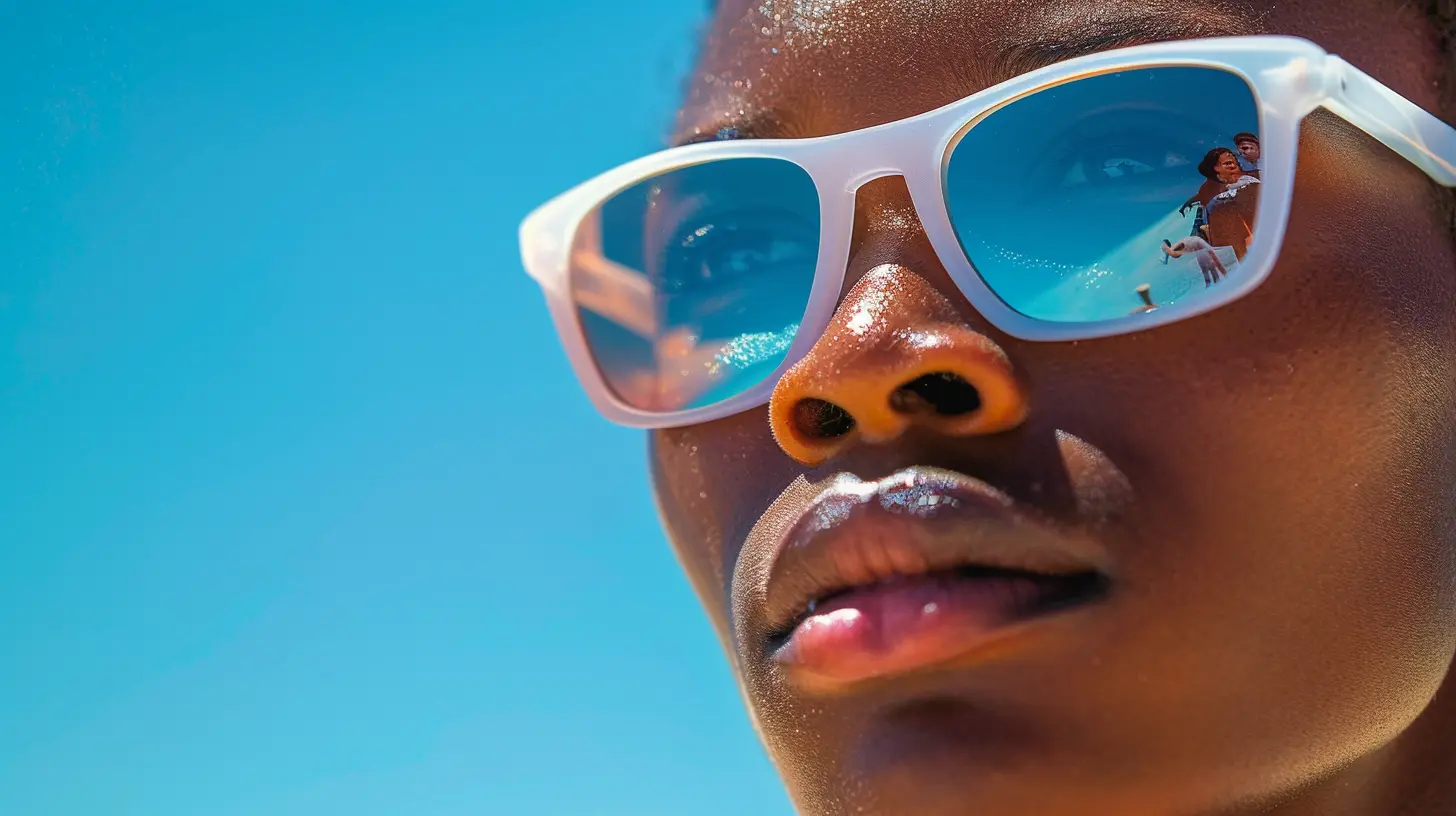
Why Sun Protection Matters for Athletes
Let’s face it—athletes spend a lot more time outdoors than the average person. That means extended exposure to harmful ultraviolet (UV) rays. Even if it’s cloudy or overcast, up to 80% of UV rays can still reach your skin. And if you're sweating, swimming, or wiping your face with a towel (which you probably are), you’re likely reducing the effectiveness of your sunscreen without even realizing it.The Real Dangers of UV Exposure
We’re not just talking sunburn here—though that’s bad enough. Long-term exposure to the sun's rays can lead to:- Premature aging (hello, wrinkles and sunspots)
- Eye damage
- Weakened immune function
- Cancer, especially skin cancer like melanoma
And athletes are particularly at risk. A study found that outdoor athletes often have higher rates of abnormal skin cell changes due to repeated sun damage. Not to be dramatic, but that tan line you're proud of? It might come at a serious cost.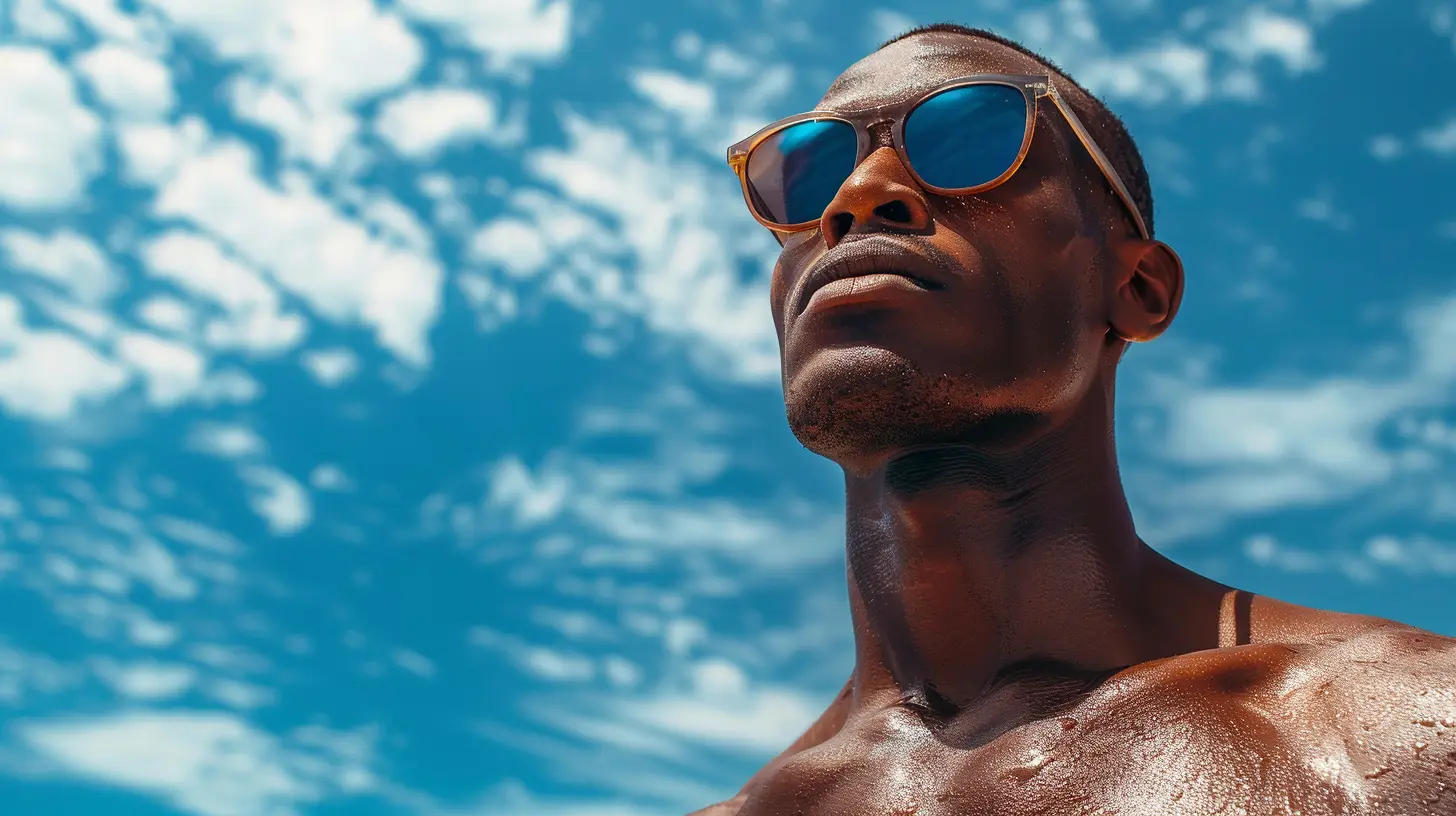
UV Exposure and Performance: It’s Not Just Skin-Deep
Think sun protection is just about vanity or avoiding sunburn? Think again. Overheating, dehydration, and fatigue can creep up faster when you're not shielding yourself from UV rays.Here’s how UV radiation can mess with your performance:
- Increased body heat: Sunlight directly increases your body temperature, leading to quicker fatigue and lower endurance.- Sunburn pain: It’s hard to focus on your game when your skin feels like it’s on fire.
- Poor recovery: Sun damage taxes your immune system, slowing down recovery.
- Dehydration: Being out in the sun for long periods increases fluid loss through sweat.
Bottom line: If you’re not protecting your skin, you’re not protecting your performance.
Sunscreen 101: Picking the Right One for Athletes
Sunscreen is your first line of defense, but not all sunscreens are created equal—especially for athletes who sweat, swim, and move constantly.What to Look for in a Sunscreen
- Broad-spectrum protection: This means it protects against both UVA and UVB rays.- SPF 30 or higher: SPF 30 blocks about 97% of UVB rays. Higher SPF = better protection (to a point).
- Water-resistant: Especially important if you sweat heavily or swim.
- Non-comedogenic and oil-free: For those prone to breakouts.
- Sports-specific formulas: These often resist sweat and stay on longer during intense activity.
Sunscreen Types: What’s Best for You?
- Creams and Lotions: Great for dry skin and broad coverage.- Gels: Perfect for hairy areas like the scalp or arms.
- Sprays: Convenient, but you have to apply generously and evenly.
- Sticks: Ideal for around the eyes, ears, and nose.
Pro tip: Use mineral sunscreens with zinc oxide or titanium dioxide if you have sensitive skin—they sit on top of the skin and physically block UV rays.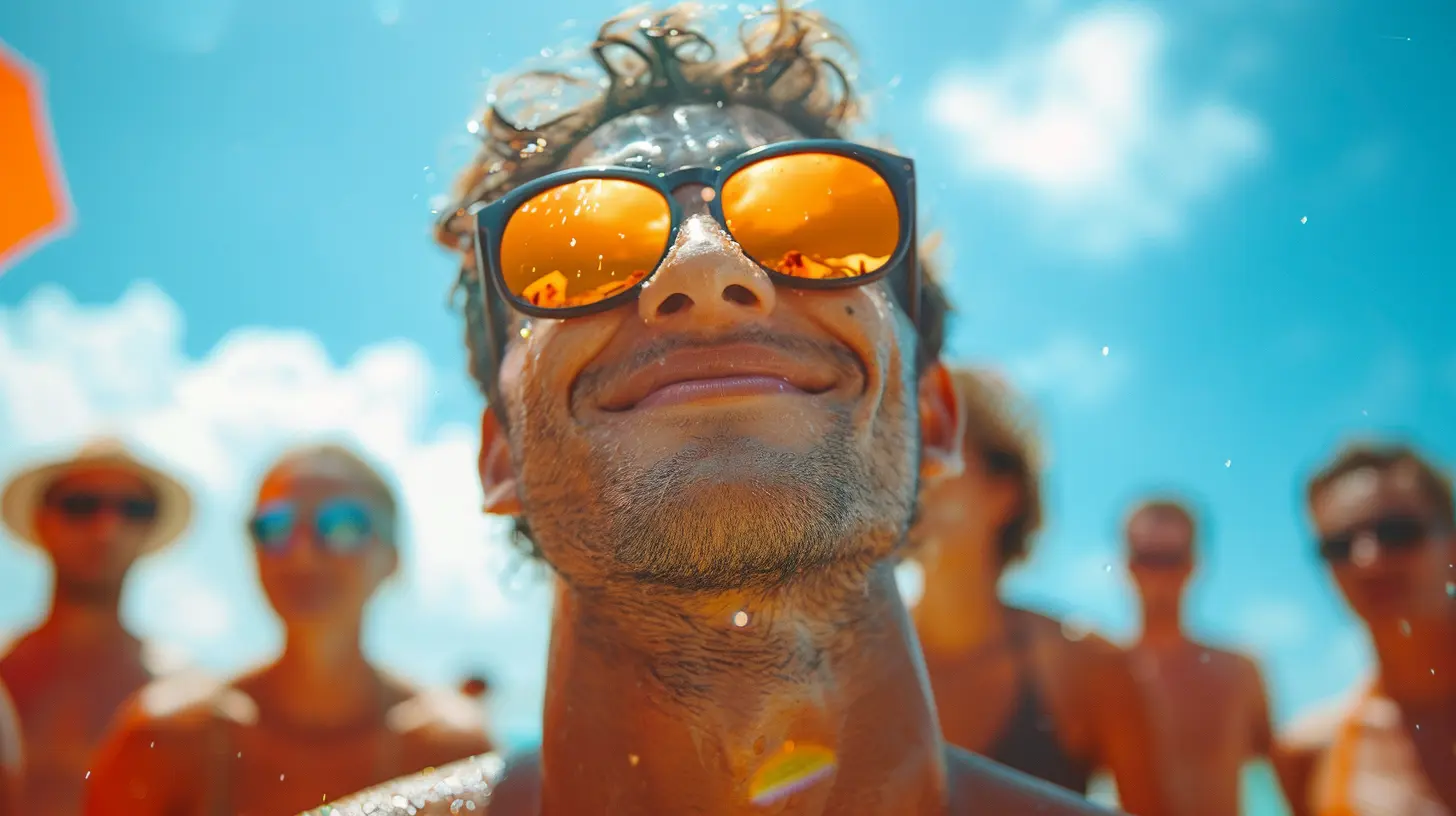
How to Apply Sunscreen Like a Pro Athlete
Here’s the truth—most people don’t use enough sunscreen or apply it correctly, which means they’re not getting the full benefit.Follow These Simple Steps:
1. Apply before stepping outside: 15–30 minutes beforehand gives it time to absorb.2. Use enough: About a shot glass (1 oz) for full body coverage.
3. Reapply REPEATEDLY: Every 2 hours—or more often if you’re sweating, wiping your face, or swimming.
4. Don’t miss key areas: Ears, back of neck, scalp, hands, and tops of feet.
Ever finish a long training day with burnt shoulders or a red neck? Yeah, that’s what happens when you skip spots.
More Than Sunscreen: Comprehensive Sun Protection Gear
Sunscreen isn’t the only player on your sun safety team. Let’s talk gear.Wearable Protection That Actually Works
- Sun-protective clothing: Look for clothes with a UPF (Ultraviolet Protection Factor) rating of 30 or more. These garments block out most UV rays.- Wide-brim hats or caps with neck flaps: Protects your face, ears, and neck.
- UV-blocking sunglasses: Don’t forget your eyes—they’re vulnerable too.
- Arm sleeves and gaiters: Popular among runners and cyclists.
Fabric Matters
Lightweight doesn’t mean light protection. Wear moisture-wicking clothes designed to keep you cool while blocking UV rays. Think of them as armor for your skin—lightweight but powerful.Timing is Everything: Train Smart, Not Just Hard
One of the easiest ways to protect yourself from the sun? Avoid peak hours. The sun is most intense between 10 AM and 4 PM, so if you can, time your workouts for early morning or late afternoon.If You're Training Midday, Do This:
- Seek shade during breaks.- Use umbrellas, tents, or trees when stationary.
- Pack cooling towels or wear ice-pack vests during extreme heat.
It’s not always possible to avoid the sun, but working around it is a smart move.
Hydration Supports Sun Safety
You’ve heard it before—hydrate, hydrate, hydrate. But hear me out: staying well-hydrated doesn’t just boost performance, it helps regulate your body temperature and keeps your skin resilient.Pro Hydration Tips:
- Drink before, during, and after exercise—don’t wait until you’re dying of thirst.- Add electrolytes if you're sweating heavily or training for long durations.
- Avoid sugary or alcoholic drinks before workouts—they dehydrate you fast.
Remember, dehydrated skin is more prone to sunburn. Keep those water bottles close!
Athletes’ Sun Safety Checklist
Let’s tie it all together. Before you head out into the arena—literal or metaphorical—run through this quick checklist:✅ Applied broad-spectrum, water-resistant sunscreen (SPF 30+)
✅ Wearing UPF-rated clothing and hat
✅ Rocking UV-blocking sunglasses
✅ Training outside peak sun hours
✅ Carrying water and electrolyte drinks
✅ Reapplying sunscreen every 2 hours (set a phone reminder!)
✅ Taking breaks in the shade when possible
Nail every point on this checklist and you’ll be unstoppable—not just in your sport, but in long-term skin health, too.
The Long Game: Skin Screenings and Prevention
It’s easy to think you're invincible when you’re young, strong, and fit. But skin cancer doesn’t care how athletic you are. Melanoma—the deadliest form of skin cancer—can show up even in people who spend most of their lives staying active outdoors.Prevention Tips:
- Do monthly skin checks: Look for new moles, changes in shape, color, or size.- Visit a dermatologist annually: Especially if you have a history of sunburns or fair skin.
- Use apps or mirrors to check your back: It’s one of the most commonly missed (and affected) areas.
Taking a few minutes regularly can save you years of regret later. Don’t skip this part.
Final Thoughts: Play Hard, Stay Protected
Athletes, we get it—you’re out there grinding, pushing past limits, chasing greatness. But don’t let sun damage be the price you pay for glory. Treat sun protection like any other part of your training routine—it’s not an afterthought, it’s a performance essential.You wouldn’t skip warming up or proper nutrition, right? So why skip sun safety? It takes just a few extra minutes a day to safeguard your performance, your health, and your future.
Remember: Protecting your skin isn’t weakness—it’s wisdom.
all images in this post were generated using AI tools
Category:
Sun ProtectionAuthor:

Angelo McGillivray
Discussion
rate this article
1 comments
Rex Bowman
Stay cool, protect your skin, and shine like a champ!
July 14, 2026 at 3:50 AM
Angelo McGillivray
Thanks for the support! Staying safe in the sun is key for peak performance.