Why Detox Teas and Powders May Be Doing More Harm Than Good
24 November 2026
Introduction
In recent years, detox teas and powders have surged in popularity, often marketed as quick solutions for weight loss, improved digestion, and enhanced energy levels. While some individuals swear by these products for their perceived benefits, a closer examination reveals that they may do more harm than good. This article delves into the potential pitfalls of detox teas and powders, offering insights into their effects on the body, the misconceptions surrounding them, and what individuals should consider before jumping on the detox bandwagon.
Understanding Detoxification
What Is Detoxification?
Detoxification refers to the body's natural process of eliminating toxins. The liver, kidneys, lungs, and skin all play crucial roles in filtering and expelling harmful substances. The human body is equipped with a sophisticated detox system that can handle most toxins without the need for external aids like detox teas and powders.The Role of the Liver
The liver is often considered the body's primary detox organ. It processes nutrients and filters out toxins from the blood, converting them into harmless substances that can be excreted. This complex process involves various biochemical pathways, including phase one and phase two detoxification.Phase One: Conversion
In phase one, enzymes in the liver modify toxins, making them more water-soluble. This step often involves oxidation, reduction, or hydrolysis. While this phase is essential, it can also produce free radicals, which can be harmful in excess.Phase Two: Conjugation
Phase two involves conjugation, where the liver attaches small molecules to the modified toxins, further increasing their water solubility. This process prepares the toxins for excretion via urine or bile.The Myth of Quick Fixes
Despite the body's inherent ability to detoxify, many detox products claim to expedite this process. This leads to the misconception that one can "flush out" toxins quickly through teas or powders. However, the body does not require assistance in detoxification, and relying on these products can lead to adverse effects.
The Appeal of Detox Teas and Powders
Marketing and Misconceptions
The marketing strategies surrounding detox teas and powders often emphasize rapid weight loss, increased energy, and improved digestion. These claims can be enticing, particularly for those seeking quick results. However, they often lack scientific backing, and the benefits may be overstated.Ingredients That Raise Concerns
Many detox products contain a mix of herbs, caffeine, and laxatives. While some ingredients may have legitimate health benefits, others can pose risks.Laxatives
Commonly used in detox teas, laxatives can lead to dehydration, nutrient deficiencies, and dependence. Over time, the body may become reliant on these products for regular bowel movements, disrupting natural digestive processes.Diuretics
Some detox teas contain diuretics, which promote urine production. While this can lead to temporary weight loss due to water loss, it can also cause electrolyte imbalances and dehydration, especially if consumed in excess.Caffeine
Many detox powders include caffeine to enhance energy. While caffeine can provide a short-term boost, excessive consumption can lead to anxiety, insomnia, and increased heart rate.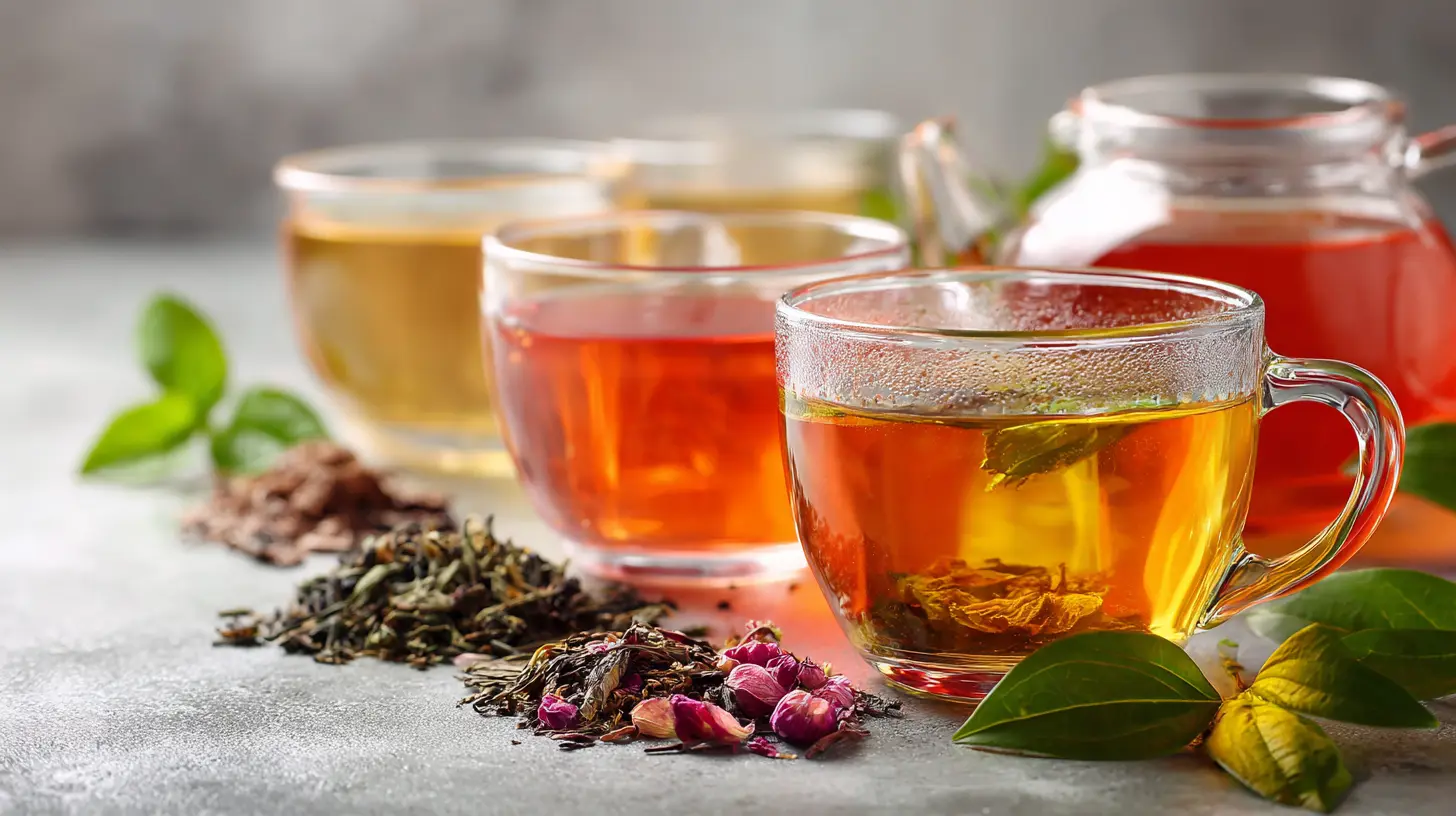
Potential Harms of Detox Teas and Powders
Nutritional Deficiencies
Relying on detox teas and powders can lead to inadequate nutrient intake. Many detox regimens promote severe calorie restriction, which can deprive the body of essential vitamins and minerals. Long-term deficiencies can result in various health issues, including weakened immunity and fatigue.Gastrointestinal Issues
The use of laxatives and diuretics can disrupt normal gut function. This disruption may lead to constipation, diarrhea, or irritable bowel syndrome. the reliance on these products can alter gut microbiota, which plays a vital role in overall health.Psychological Effects
The pursuit of a "detox" lifestyle can foster unhealthy relationships with food. Individuals may develop a mindset that equates certain foods with toxicity, leading to restrictive eating patterns or disordered eating behaviors.Short-Term Weight Loss vs. Long-Term Health
While detox teas and powders may lead to initial weight loss, often due to water loss or reduced calorie intake, this is rarely sustainable. Once normal eating patterns resume, the weight typically returns, creating a cycle of yo-yo dieting that can harm metabolic health.Best Practices for Natural Detoxification
Focus on Whole Foods
Instead of relying on detox products, individuals can support their body's natural detoxification processes through a balanced diet rich in whole foods. Fruits, vegetables, whole grains, lean proteins, and healthy fats provide essential nutrients that aid in detoxification.Antioxidant-Rich Foods
Foods high in antioxidants, such as berries, leafy greens, and nuts, help combat oxidative stress produced during detoxification. Incorporating these into your diet can enhance liver function and overall health.Hydration is Key
Staying well-hydrated is essential for optimal detoxification. Water supports kidney function and helps flush out toxins. Aim for at least eight glasses of water a day, adjusting based on activity level and climate.Regular Exercise
Physical activity promotes circulation and lymphatic drainage, both of which are crucial for detoxification. Aim for at least 150 minutes of moderate-intensity exercise each week.Mindful Eating
Practicing mindful eating can help individuals develop a healthier relationship with food. This involves listening to hunger cues, savoring meals, and avoiding distractions during eating.Consult Healthcare Professionals
Before making significant changes to your diet or beginning any detox regimen, it is wise to consult with a healthcare professional or registered dietitian. They can provide personalized guidance based on individual health needs and goals.
When Detox Products Might Be Appropriate
While detox teas and powders are often more harmful than helpful, there may be situations where they can be used cautiously. For example, some individuals may benefit from specific herbal supplements under professional guidance, particularly for short-term use in conjunction with a broader health plan.Herbal Supplements
Certain herbs, like milk thistle, are known for their liver-supportive properties. However, these should be used in moderation and with professional oversight to avoid adverse effects.Short-Term Use
If someone is looking to reset their eating habits after a period of indulgence, a short-term detox program that emphasizes whole foods and hydration may be beneficial. This should not involve severe calorie restriction or reliance on laxatives.Conclusion
Detox teas and powders may seem appealing for their promises of rapid results, but they often do more harm than good. The body is naturally equipped to handle detoxification, and the reliance on these products can lead to various health issues. Instead of seeking quick fixes, individuals can support their health through balanced nutrition, hydration, and mindful lifestyle choices. If considering detox products, it is crucial to approach them cautiously and consult with healthcare professionals to ensure safety and efficacy.
all images in this post were generated using AI tools
Category:
Nutrition MythsAuthor:

Angelo McGillivray
Discussion
rate this article
1 comments
Madalyn Barker
Detox teas sound great, but sometimes less is more... be careful!
November 24, 2026 at 5:09 AM