Why Hydration Affects Mental Clarity and Physical Energy
26 September 2026
Most people treat water like background noise. It sits on the desk, gets sipped absentmindedly, and rarely earns the attention that food, sleep, or caffeine receive in conversations about performance. That is a mistake. Water is not a passive substance that simply fills space in your body. It is an active participant in nearly every process that keeps your brain sharp and your muscles willing to move. When hydration slips, the consequences rarely announce themselves loudly. They show up as a foggy afternoon, a short temper, a workout that feels harder than it should, or a task that takes twice as long as usual.
This article examines why hydration sits at the center of mental clarity and physical energy. It covers the physiology behind these effects, the practical signals your body sends, the trade-offs between different hydration strategies, and the mistakes that quietly undermine even well-intentioned efforts. The goal is not to repeat the familiar advice to drink eight glasses a day. It is to help you understand the mechanics well enough to make your own informed decisions.
The Biology of Water in the Human Body
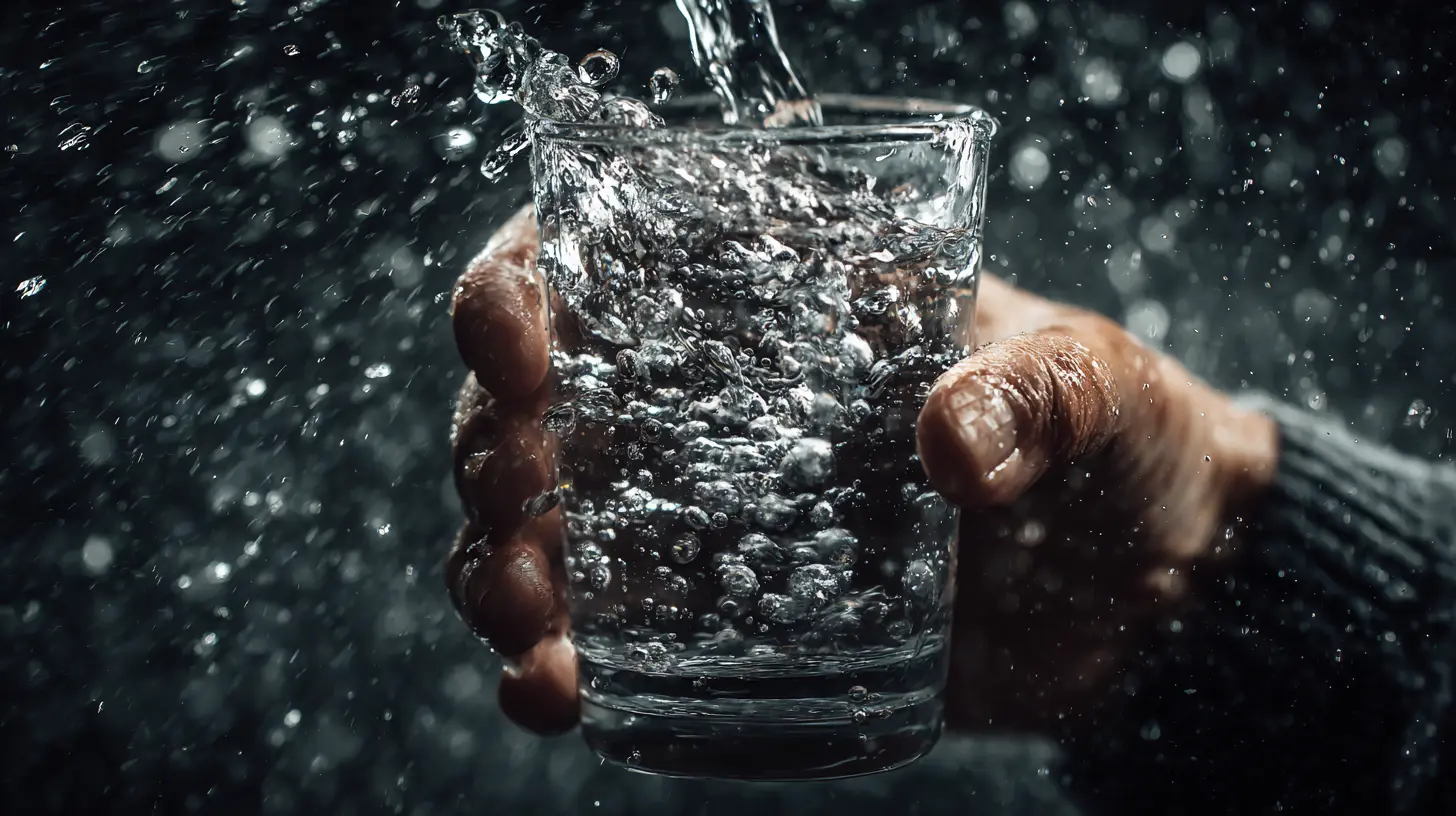
Water makes up roughly half to two-thirds of an adult's body weight, depending on age, sex, and body composition. It is not just sitting there. It serves as the medium in which virtually all chemical reactions occur, the transport system for nutrients and waste, the coolant that regulates temperature, and the lubricant that keeps joints and tissues functioning.Blood plasma is about 90 percent water. That matters because blood delivers oxygen and glucose to the brain and carries away carbon dioxide and metabolic byproducts. When plasma volume drops, the heart must work harder to circulate what remains. Blood becomes slightly thicker, flow slows in the smallest vessels, and the delivery of fuel to demanding tissues becomes less efficient. You may not feel this as thirst. You may feel it as fatigue, irritability, or difficulty concentrating.
The brain itself is roughly 75 percent water. It floats in cerebrospinal fluid, which cushions it and helps regulate the chemical environment around neurons. Even small shifts in fluid balance can alter that environment. Neurotransmitters, the chemical messengers that carry signals between brain cells, rely on water-based solutions to move and bind properly. When hydration is poor, the entire signaling system becomes less reliable.
How Dehydration Affects the Brain
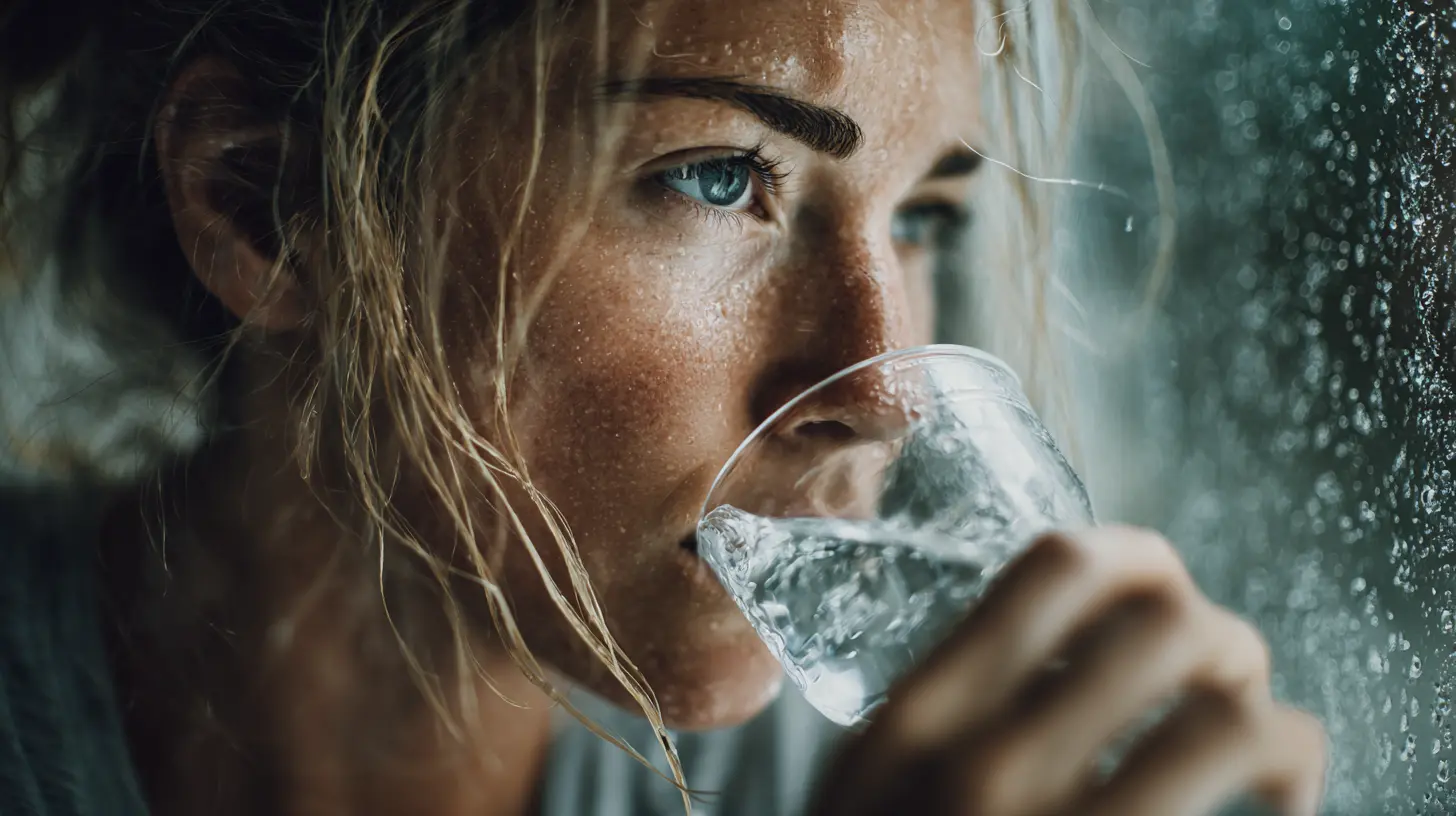
The brain is remarkably sensitive to fluid loss. Research on mild dehydration, typically defined as losing about 1 to 2 percent of body weight through fluid, has repeatedly linked it to changes in mood, attention, and reaction time. This is not about severe dehydration that lands someone in a hospital. It is about the kind of subtle shortfall that happens on a busy day when you forget to drink.Cognitive Performance Under Mild Dehydration
Studies using cognitive tasks have found that even mild dehydration can impair short-term memory, working memory, and the ability to sustain attention. Reaction times slow. Error rates rise. Tasks that require rapid switching between mental sets become harder. The effects are not dramatic in the way that a night of no sleep is dramatic, but they are consistent and measurable.What makes this tricky is that people often do not connect their mental state to hydration. They blame the task, the time of day, or their own competence. A person might sit at a desk at 3 p.m., struggling to focus, and reach for coffee or a snack. The real culprit may be that they have consumed very little fluid since morning.
Mood, Stress, and the Hydration Connection
Dehydration does not just affect cognition in a narrow sense. It also influences mood. Participants in controlled studies have reported increased tension, anxiety, and fatigue when mildly dehydrated. Some reported lower feelings of vigor and alertness. These are subjective experiences, but they shape behavior. A tense, fatigued person is more likely to snap at a colleague, skip a workout, or make a poor decision.There is a plausible physiological explanation. Dehydration can raise levels of cortisol, the body's primary stress hormone. It can also affect the balance of electrolytes like sodium and potassium, which are critical for nerve signaling. When that balance shifts, the nervous system becomes less stable, and the subjective sense of calm and control erodes.
The Role of Cerebral Blood Flow
Water also influences blood flow to the brain. When plasma volume falls, the body prioritizes blood flow to vital organs, but the brain's supply can still be affected. Reduced perfusion, even slightly, can impair the delivery of oxygen and glucose. Neurons are demanding cells. They consume a disproportionate share of the body's energy and oxygen. When supply tightens, cognitive performance suffers.This is one reason why hydration and cardiovascular health are intertwined. A well-hydrated body maintains better blood pressure and vessel function, which supports steady cognitive performance throughout the day.

How Dehydration Affects Physical Energy
The physical effects of dehydration are more familiar to most people. Athletes are taught to drink before, during, and after exercise. But the impact extends far beyond the gym. Everyday physical tasks, from climbing stairs to carrying groceries, are affected by hydration status.Muscle Function and Endurance
Muscles are about 75 percent water. When dehydrated, muscle cells lose volume and the balance of electrolytes across cell membranes shifts. This can impair the ability of muscles to contract efficiently. Studies on athletes show that dehydration reduces endurance, strength, and power output. It also increases the perception of effort. A run that feels moderate when hydrated can feel hard when dehydrated, even at the same pace.The mechanism involves several factors. Reduced blood flow to working muscles limits oxygen delivery. Impaired electrolyte balance affects the electrical signals that trigger muscle contractions. And the cardiovascular system struggles to dissipate heat, causing body temperature to rise faster.
Cardiovascular Strain
The heart is a pump that moves fluid. When there is less fluid to move, it must beat faster to maintain output. Heart rate rises, and so does the subjective sense of effort. For people with underlying heart conditions, this strain can be significant. For healthy individuals, it means that physical tasks feel harder and recovery takes longer.Thermoregulation and Fatigue
Water is the body's primary coolant. Through sweating, it carries heat away from the core. When dehydrated, sweat production declines, and core temperature rises. This triggers a cascade of effects, including earlier onset of fatigue, reduced coordination, and a higher risk of heat exhaustion.Fatigue during dehydration is not just a feeling. It is a signal that the body is struggling to maintain homeostasis. Pushing through it can lead to heat illness, which ranges from mild cramps to life-threatening heat stroke.
Why Some People Feel the Effects More Than Others
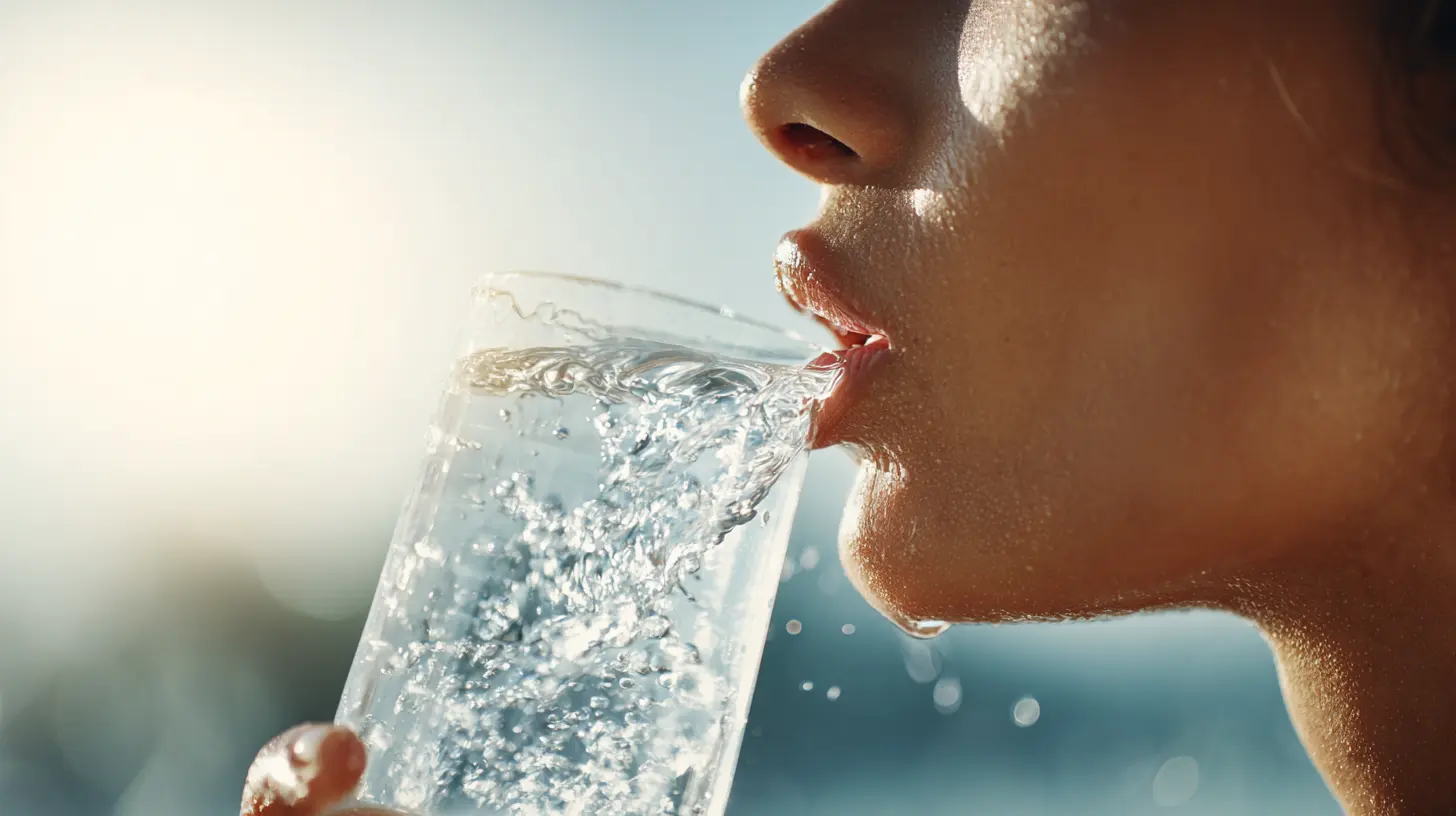
Not everyone experiences dehydration the same way. Several factors influence how sensitive a person is to fluid loss.Age
Older adults are more vulnerable. The sense of thirst diminishes with age, and the kidneys become less efficient at conserving water. Older adults may also take medications that increase fluid loss, such as diuretics. This combination makes dehydration more likely and more dangerous.Children are also at higher risk. Their bodies have a larger surface area relative to their volume, so they gain and lose heat more quickly. They may also be less likely to recognize and respond to thirst cues.
Body Composition and Fitness
Muscle tissue holds more water than fat tissue. People with more muscle mass have a larger reservoir of water but also higher turnover. Athletes and highly active individuals lose more fluid through sweat and respiration, so their hydration needs are greater.Medications and Health Conditions
Certain medications, including antihistamines, blood pressure drugs, and antidepressants, can affect fluid balance or sweat production. Conditions like diabetes, kidney disease, and inflammatory bowel disease also alter hydration needs. Anyone in these categories should discuss hydration with a healthcare provider rather than relying on general guidelines.Caffeine and Alcohol
Caffeine has a mild diuretic effect, though the impact is often overstated for habitual consumers. Alcohol, however, suppresses the release of vasopressin, the hormone that tells the kidneys to conserve water. Drinking alcohol, especially in large amounts, leads to increased urine output and can leave a person dehydrated by morning.Recognizing the Signs of Dehydration Before You Feel Thirst
Thirst is a lagging indicator. By the time you feel thirsty, you are already mildly dehydrated. Relying on thirst alone is a common mistake, especially for people who are busy, distracted, or older.Better indicators include:
- Urine color. Pale yellow or straw-colored suggests good hydration. Dark yellow or amber suggests a need for more fluid.
- Urine frequency. Most adults urinate four to seven times a day. Significantly fewer trips may indicate inadequate intake.
- Skin turgor. Pinched skin that does not snap back quickly can signal dehydration, though this is a late sign.
- Headache. Dehydration is a common trigger for headaches and migraines.
- Dizziness or lightheadedness. This can occur when standing up, due to reduced blood volume.
- Dry mouth and lips. These are obvious but often ignored until they are severe.
these signs are not definitive on their own. A headache can have many causes. Dark urine can result from certain foods, supplements, or medications. Use them as a cluster of clues rather than a single diagnostic test.
How Much Water Do You Actually Need
The often-cited recommendation of eight 8-ounce glasses per day is not a scientific rule. It is a rough guideline that happens to be easy to remember. Actual needs vary widely based on body size, activity level, climate, diet, and health status.General Guidelines
The U.S. National Academies of Sciences, Engineering, and Medicine suggest that men consume about 3.7 liters of total water per day and women about 2.7 liters. These figures include water from food and all beverages, not just plain drinking water. About 20 percent of daily water intake typically comes from food, especially fruits and vegetables.For most healthy adults, a reasonable target is to drink enough fluid that urine stays pale and you rarely feel thirsty. That might mean six cups for a small, sedentary person and twelve or more for a large, active person in a hot climate.
Factors That Increase Needs
- Exercise. Sweat losses can range from 0.5 to 2 liters per hour during intense activity.- Heat and humidity. Both increase sweat production.
- Altitude. Higher elevations increase fluid loss through respiration and urine.
- Illness. Fever, vomiting, and diarrhea all increase fluid needs.
- Pregnancy and breastfeeding. These states significantly raise fluid requirements.
- High-fiber diets. Fiber needs water to move through the digestive tract properly.
Factors That Decrease Needs
- Kidney disease. Some conditions require fluid restriction.- Heart failure. Fluid intake may need to be limited.
- Certain medications. Some drugs cause fluid retention.
This is why blanket advice is risky. Anyone with a chronic condition should get personalized guidance.
What to Drink: Water and Beyond
Plain water is the best default choice. It is calorie-free, inexpensive, and readily available. But it is not the only option, and there are situations where other choices make sense.Water
Water is ideal for most everyday hydration. It does not require digestion and is absorbed quickly. For most people, tap water is perfectly safe and often contains beneficial minerals like calcium and magnesium.Electrolyte Drinks
Electrolyte drinks contain sodium, potassium, and sometimes other minerals. They are useful when sweat losses are high, such as during prolonged exercise, in hot environments, or during illness with vomiting or diarrhea. For casual exercise under an hour, plain water is usually sufficient. Electrolyte drinks add calories and can be unnecessary for people who are not sweating heavily.Milk and Plant-Based Milks
Milk contains water, electrolytes, and protein. Some research suggests it can be effective for rehydration after exercise, partly because its nutrient content slows gastric emptying and supports fluid retention. Plant-based milks vary widely in composition, so check labels if hydration is the goal.Coffee and Tea
Despite their mild diuretic effect, coffee and tea contribute to daily fluid intake. The diuretic effect is modest and tends to diminish in habitual consumers. However, relying solely on caffeinated beverages can disrupt sleep and cause jitteriness, so balance matters.Sports Drinks and Enhanced Waters
Many sports drinks and enhanced waters contain sugar, artificial colors, and added vitamins. They can be useful in specific contexts, but they are not necessary for most people. Read labels carefully. Some products marketed as healthy contain more sugar than a can of soda.Alcohol
Alcohol is a poor hydration choice. It increases urine output and can impair judgment, leading to further dehydration. If you drink alcohol, alternate with water.
Practical Strategies for Staying Hydrated
Knowing the theory is one thing. Building habits that work in real life is another. Here are strategies that tend to be effective.Start the Day with Water
You lose fluid overnight through breathing and sweating. A glass of water upon waking helps restore balance and kickstarts the day. Some people find it easier to drink water before coffee or tea.Keep Water Visible
People drink more when water is within reach. A bottle on the desk, a glass by the sink, or a pitcher in the fridge all serve as visual reminders. Out of sight often means out of mind.Use Routines as Triggers
Attach drinking water to existing habits. Drink a glass before each meal. Take a sip every time you check your phone. Have water with every cup of coffee. These small anchors make hydration automatic over time.Flavor Without Sugar
If plain water is boring, add lemon, lime, cucumber, mint, or berries. A splash of juice can also help. The goal is to make water appealing without turning it into a sugary beverage.Track If It Helps
Some people benefit from tracking intake with an app or a marked bottle. Others find tracking obsessive and counterproductive. Use it as a tool if it helps, and drop it if it adds stress.Eat Water-Rich Foods
Fruits and vegetables like watermelon, cucumbers, oranges, strawberries, lettuce, and tomatoes are high in water. They contribute to hydration and provide fiber, vitamins, and minerals. Soup and broth are also hydrating.Adjust for Activity and Environment
Drink extra before, during, and after exercise. In hot weather, increase intake and consider electrolytes if sweating heavily. At high altitudes, drink more than usual.Common Mistakes and Misconceptions
Several myths and habits undermine good hydration. Addressing them directly can help.Myth: You Must Drink Eight Glasses a Day
This is a simplification. Needs vary. Some people need more, some less. The eight-glass rule is not harmful for most healthy adults, but it can be misleading.Myth: Thirst Is a Reliable Guide
Thirst lags behind need. It is a useful signal but not a sufficient one, especially for older adults, athletes, and people in hot environments.Myth: Drinking More Water Is Always Better
Excessive water intake can dilute sodium levels in the blood, a condition called hyponatremia. This is rare but can occur during endurance events or with certain medications. More is not always better.Mistake: Relying on Sugary Drinks
Soda, sweetened teas, and energy drinks add calories and can spike blood sugar. They may quench thirst temporarily but do not support steady hydration.Mistake: Ignoring Electrolytes During Long Exercise
Water alone can be insufficient during prolonged sweating. Replacing sodium and potassium helps maintain fluid balance and prevents muscle cramps.Mistake: Drinking Too Much at Once
The body can only absorb so much fluid at a time. Chugging a large amount quickly leads to increased urine output rather than better hydration. Sipping steadily is more effective.
Hydration and Long-Term Health
Hydration is not just about today's energy and focus. It also influences long-term health. Chronic mild dehydration has been associated with kidney stones, urinary tract infections, constipation, and possibly poorer cardiovascular outcomes. Some research suggests that staying well hydrated may slow aspects of biological aging, though this is an area of ongoing study.For people with conditions like chronic kidney disease or heart failure, fluid management is a medical issue, not a lifestyle choice. Always follow professional guidance in those cases.
Special Considerations for Different Groups
Athletes
Athletes should weigh themselves before and after training to estimate sweat losses. For every pound lost, drink about 16 to 24 ounces of fluid. During events lasting more than an hour, include electrolytes. During events lasting several hours, include carbohydrates as well.Older Adults
Older adults should drink on a schedule rather than waiting for thirst. Keeping a pitcher of water in view and drinking with medications can help. Caregivers should monitor intake, especially in hot weather.Pregnant and Breastfeeding Women
Fluid needs increase during pregnancy and lactation. Breastfeeding women lose significant fluid through milk production. Drinking to thirst and monitoring urine color is a reasonable approach, but individual needs vary.People with Chronic Conditions
Diabetes, kidney disease, heart failure, and other conditions alter hydration needs. Work with a healthcare provider to set safe targets.Children
Children need reminders to drink. Offer water with meals and snacks. During play and sports, encourage regular breaks with water. Avoid sugary drinks.
The Bottom Line
Hydration is one of the few levers you can pull that affects both mind and body with almost no downside. It costs little, requires no special equipment, and delivers benefits within minutes to hours. Yet it is easy to neglect because the consequences of mild dehydration are subtle and easy to misattribute.The key is to think of hydration not as a one-time task but as an ongoing practice. Pay attention to your urine color, your energy, and your focus. Build habits that make drinking water automatic. Adjust for activity, climate, and health status. And when in doubt, drink a glass of water and see how you feel.
Mental clarity and physical energy are not separate goals. They are two expressions of the same underlying physiology. Water supports both. Treat it accordingly.
all images in this post were generated using AI tools
Category:
Mind Body ConnectionAuthor:

Angelo McGillivray